Pollution harms our Bay
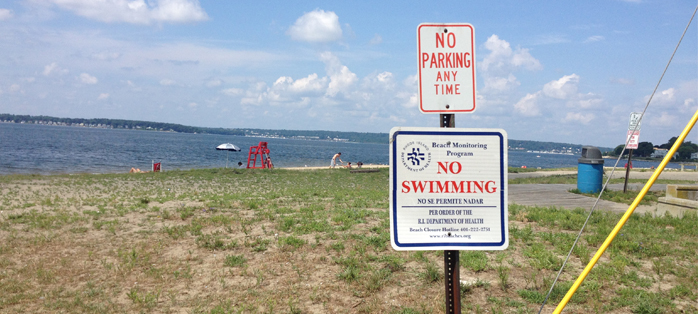
Water pollution harms Narragansett Bay, the marine life that inhabits it and the people who depend on it for their livelihood and quality of life. The Bay and the rivers of its watershed have suffered from 200+ years of toxic pollution—chemicals and metals that have been dumped into the Bay since the Industrial Revolution began on the Blackstone River. Today, the major sources of pollution are wastewater treatment plants, cesspools and septic systems, and stormwater runoff, all of which discharge high levels of nitrogen, bacteria, and phosphorus and everyday products such as pharmaceuticals, metals, chemicals, and petroleum products into the Bay and other local waters.
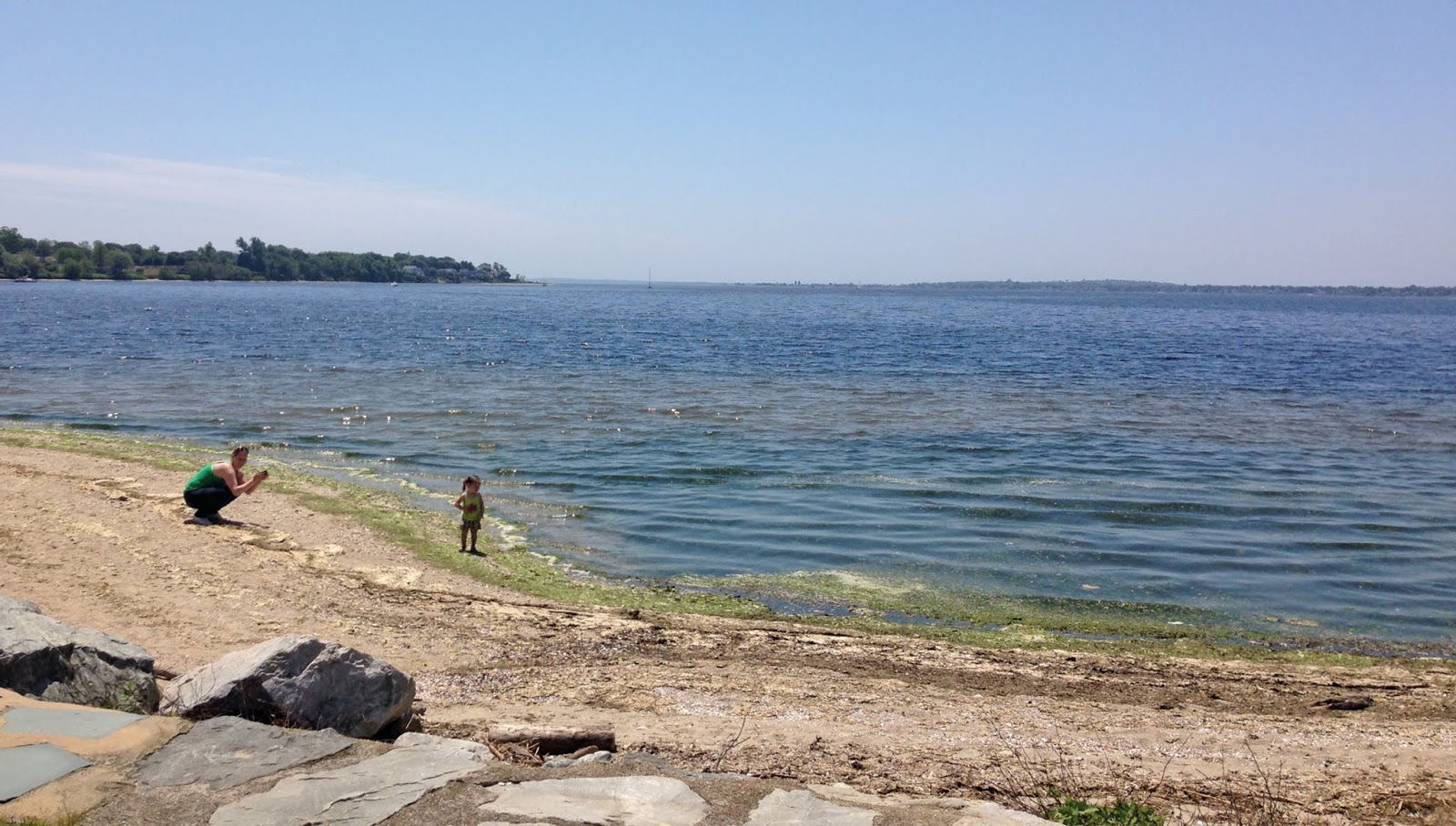
The pollution from these sources poses risks to public health and leads to the closing of swimming beaches and shellfish beds. Clams, mussels, scallops and oysters from Narragansett Bay are harvested commercially and recreationally, but shellfish beds are often closed after heavy rains because bacteria in sewage from wastewater system overflows and polluted runoff make them unsafe to eat. Eelgrass, widely recognized as a key indicator of bay health and an important source of food and habitat for marine life, has dwindled to just 10 percent of its one-thriving status in the Bay.




 The Clean Swell App lets volunteers upload important cleanup data in real-time to the world’s largest marine debris database. This database is used by scientists, conservation groups, governments and industry leaders to study ocean trash and take action to ensure trash never reaches our beaches.

 The TrashBlitz App is a new brand audit tool in the fight against litter! The app makes it easy to collect data on brands, materials, and items found at cleanup events. Each record contributes to local, national, and global datasets to help inform policy in the United States and around the world.